Stepping into the world of electric shaving can be a game-changer for your grooming routine. Imagine achieving a consistently smooth, comfortable shave without the nicks, cuts, and irritation often associated with traditional razors. An electric shaver offers unparalleled convenience, speed, and skin-friendly performance, making it an essential tool for many. This comprehensive guide will navigate you through everything you need to know, from the types available to choosing the ideal model for your specific needs, ensuring you find the best electric shaver to elevate your daily routine.
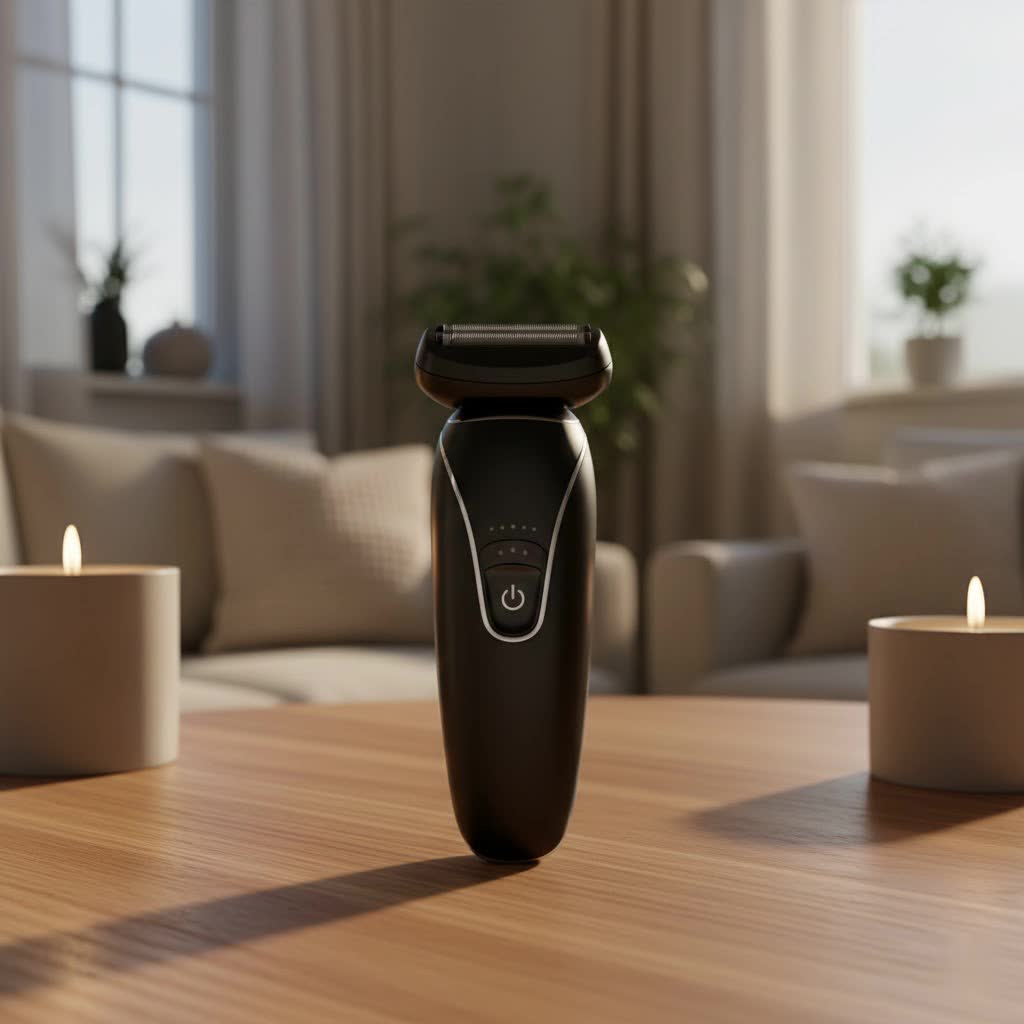
Electric Shavers: An Overview
An electric shaver is a personal grooming device that uses an electrically powered rotating or oscillating blade to cut hair. Unlike traditional manual razors, electric shavers often do not require shaving cream or water, making them ideal for dry shaving, although many modern models are also designed for wet use. Their primary purpose is to provide an efficient and comfortable shave, minimizing skin irritation and speeding up the grooming process.
The journey of the electric shaver began over a century ago. While John Francis O’Rourke received the first patent in 1898 and Johann Bruecker invented the first working model in 1915, Colonel Jacob Schick is widely credited with patenting the first marketable electric shaver in 1930. Early iterations were bulky, but Schick’s refined designs quickly gained commercial success. In 1937, Remington Rand introduced a significant innovation: the micro-screen foil, which covered the blades for enhanced comfort. Shortly after, in 1939, Philips revolutionized the market with the introduction of the first rotary shaver, known as the Philishave, developed by engineer Alexandre Horowitz. These two foundational designs – foil and rotary – continue to dominate the electric shaver landscape today.
Electric shavers primarily fall into two main categories:
-
Foil Shavers: These shavers feature straight, oscillating blades located beneath a thin, perforated metal foil. The foil acts as a protective barrier, lifting hairs into its perforations where the blades then cut them with a back-and-forth motion. Foil shavers are renowned for providing a very close, precise shave, making them excellent for achieving a stubble-free finish. They are generally recommended for individuals with sensitive skin, fine to medium hair, and those who shave daily, as they are less prone to causing irritation. However, they can be louder than rotary shavers.
-
Rotary Shavers: Characterized by multiple circular heads, each containing revolving blades that spin independently. This design allows rotary shavers to flex and adapt seamlessly to the contours of the face, jawline, and neck. They excel at tackling longer, thicker, or coarse hair that grows in various directions. Rotary shavers are often preferred by those who shave less frequently or have tough facial features, as they can efficiently cut through dense growth. They tend to be quieter than foil shavers and are also well-suited for shaving larger areas like the head. While they may not always deliver an “as close” shave as foil models, modern rotary shavers offer impressive closeness and comfort.
Advantages and Disadvantages of Electric Shavers
Electric shavers have become a staple for many, offering a distinct set of benefits and a few considerations compared to traditional manual razors. Understanding these can help you determine if an electric shaver is the right choice for your grooming needs.
Advantages
- Convenience and Speed: Electric shavers are incredibly time-saving. They allow for quick, often dry, shaves that can be done almost anywhere, eliminating the need for extensive lathering and rinsing routines. Many modern shavers are cordless and travel-friendly.
- Reduced Skin Irritation: A significant benefit for many users is the reduced risk of nicks, cuts, and razor burn. Electric shavers, particularly foil types, create a barrier between the skin and the blades, resulting in less direct contact and a gentler experience, making them excellent for sensitive skin. They also help prevent ingrown hairs by trimming hair just above the skin’s surface.
- Easy to Clean and Maintain: Many electric shavers are waterproof, allowing for quick and easy rinsing under warm water. Some advanced models even come with automatic cleaning and charging stations that handle maintenance at the touch of a button.
- Versatility: Most electric shavers offer both wet and dry shaving capabilities. This means you can choose to shave quickly on the go or enjoy a more comfortable shave with foam or gel in the shower. Many also come with attachments for trimming beards, sideburns, and even body hair.
|
Our Picks for the Best Electric Shaver in 2026
As an Amazon Associate I earn from qualifying purchases.
|
||
| Num | Product | Action |
|---|---|---|
| 1 | Norelco Philips OneBlade 360 Hybrid Face, Electric Beard Trimmer and Shaver, with 360 Blade Technology, 1x 360 Blade for Face, 5in1 Adjustable Comb, Model QP2724/90 |

|
| 2 | Philips Norelco Shaver 2400 Series, Wet and Dry Electric Shaver, Pop-up Trimmer, P-Cap, Deep Black, Model X3001/90 |
|
| 3 | Electric Razor for Men, Men's Electric Shaver, 3-Blade Rotary Shaving System, Touch Switch, Type-C Fast Charging, LED Display, Travel Lock, 90+ Minutes Run Time |
|
| 4 | Philips Norelco Shaver i9000 Prestige Ultra, Wet & Dry Electric Shaver, Dark Slate, SenseIQ Pro Technology, Triple Lift & Cut System, 360 Rotating NanoTech Precision Blades, Quick Clean Pod, XP9402/86 |
|
| 5 | Braun Series 8 8560cc Electric Razor for Men, 4+1 Shaving Elements & Precision Long Hair Trimmer, 5in1 SmartCare Center, Close & Gentle Even on Dense Beards, Wet & Dry Electric Razor, 60min Runtime |
|
| 6 | Philips Norelco Shaver 3900 Series, Wet and Dry Electric Shaver, P-Cap, Travel Pouch, Charging Stand, Storm Blue, Model S3341/92 |
|
| 7 | Panasonic ARC5 Electric Razor for Men with Pop-Up Trimmer, Wet/Dry 5-Blade Electric Shaver with Intelligent Shave Sensor and Multi-Flex Pivoting Head – ES-LV65-S (Silver) |
|
| 8 | Electric Foil Shavers for Men:Upgraded Mini Electric Razor for Beard with 3 Floating Blades - Cordless Portable Travel Face Shaver USB-C Fast Rechargeable - IPX5 Waterproof(Black) |
|
| 9 | HENZILO Electric Foil Shaver for Men: Mini Electric Razor for Face/Beard - 3 Floating Blades Cordless Razor with LED Display - IPX7 Waterproof Wet Dry Shaving for Travel & Home, USB Type C |
|
| 10 | Braun Series 9 PRO+ Electric Shaver, Wet & Dry Razor, Pro SensoAdapt, 6in1 SmartCare Center, 9697CC, Silver |
|
Disadvantages
- Initial Cost: Quality electric shavers can be a significant upfront investment, with high-end models often costing more than a pack of disposable razors. However, this is often offset by the long-term savings on blades and shaving creams.
- Closeness of Shave: While modern electric shavers deliver a remarkably close shave, some users find that they don’t quite match the “baby-smooth” feel of a fresh blade from a manual razor. This perception can also depend on individual hair and skin type, and some skin types may require an adjustment period.
- Power Source Dependency: Electric shavers rely on batteries or a power cord. This means you need to remember to charge them, and some models may not operate while plugged in if the battery is completely drained, which can be inconvenient during an emergency shave.
- Learning Curve: Switching from a manual razor to an electric one often involves a slight adjustment period for both the user’s technique and the skin. It can take a few weeks for your skin to fully adapt to the different cutting action of an electric shaver.
Comparison Table: Foil vs. Rotary Electric Shavers
Choosing between a foil and a rotary electric shaver is a common dilemma. Both types offer effective shaving, but their design and performance characteristics cater to different preferences and needs. Here’s a detailed comparison to help you decide:
| Feature | Foil Shavers | Rotary Shavers |
|---|---|---|
| Blade Mechanism | Oscillating blades under a thin, perforated foil | Circular, spinning blades within multiple heads |
| Shaving Motion | Up-and-down, straight strokes | Circular motions, adapting to contours |
| Closeness | Generally provide a very close, precise shave | Close shave, excellent for contours, may leave slight stubble |
| Hair Type | Best for fine to medium, straight hair, daily stubble | Ideal for thick, coarse, or multi-directional hair, longer stubble |
| Skin Sensitivity | Often preferred for sensitive or acne-prone skin, less irritation | Can be more aggravating for sensitive skin, but less prone to ingrown hairs |
| Noise Level | Tend to be louder with a distinct buzzing sound | Generally quieter in operation |
| Maneuverability | Excellent for precision, styling sideburns, and flat areas | Superior for adapting to facial curves, jawlines, and larger areas like the head |
| Cleaning | Easy to clean, often just rinse under tap water | Easy to clean, some advanced models have self-cleaning stations |
How to Choose the Right Electric Shaver
Selecting the ideal electric shaver involves more than just picking a popular brand; it’s about understanding your personal grooming profile and matching it with the right features. Consider the following factors to make an informed decision:
Determine Your Personal Needs
- Skin Type: If you have sensitive skin or are prone to irritation, razor bumps, or acne, a foil shaver is often the recommended choice. The foil acts as a protective barrier, minimizing direct blade contact and reducing the likelihood of irritation.
- Hair Type and Growth Pattern: For fine, thin, or straight hair, especially if you shave daily, a foil shaver will likely provide a closer, smoother result. If your beard is thick, coarse, or grows in multiple directions, a rotary shaver’s flexible heads are better equipped to tackle challenging growth patterns efficiently.
- Shaving Frequency: Daily shavers looking for a consistently smooth finish often gravitate towards foil shavers. If you shave less frequently, allowing for longer stubble, a rotary shaver can handle the extra length more effectively.
- Desired Shave Closeness: If a truly “baby-smooth” finish is your top priority, foil shavers generally edge out rotary models. However, modern rotary shavers offer impressive closeness while excelling at contouring.
Consider Key Features
- Wet/Dry Functionality: Many contemporary electric shavers are designed for both wet and dry use. Wet shaving, with foam or gel, can offer a more comfortable experience and is particularly beneficial for sensitive skin by further reducing friction. Ensure the model explicitly states it’s suitable for wet shaving if this is a priority, as not all waterproof shavers are compatible with shaving creams or gels.
- Waterproof Design: A fully waterproof shaver allows for easy cleaning under running water, which is crucial for hygiene and extending the device’s lifespan. It also enables in-shower use, saving time.
- Battery Life and Charging: Look for a shaver with a decent battery runtime, typically 45-60 minutes on a full charge. Features like quick-charge options for a single shave and the ability to operate while charging can be highly convenient. Lithium-ion batteries offer superior performance without “memory effect.”
- Cleaning System: Basic models require manual cleaning, which involves rinsing and brushing. Higher-end shavers may come with an automatic cleaning station that cleans, lubricates, dries, and charges the shaver, offering maximum convenience and hygiene.
- Ergonomics and Grip: A comfortable, ergonomic design is crucial, especially for longer shaving sessions or in-shower use. Look for non-slip grips that feel secure in your hand.
- Smart Features: Advanced shavers integrate technology like pressure sensors that provide real-time feedback on how much pressure you’re applying, or AI-powered sensors that adapt motor speed to beard density. These features can significantly enhance shaving comfort and efficiency.
- Travel Features: If you travel frequently, consider shavers with a compact design, a travel lock to prevent accidental activation, and a universal voltage charger.
Brand and Price
The electric shaver market is dominated by reputable brands such as Philips Norelco, Braun, and Panasonic, along with other strong contenders like Wahl and Gillette. These brands consistently offer a range of products across different price points, from budget-friendly options to premium models packed with advanced features. While higher prices often correlate with more sophisticated technology, enhanced comfort, and durability, excellent value can be found in mid-range models that strike a balance between features and cost. Researching reviews and comparing models from trusted brands can help you find a reliable shaver within your budget.
Top Electric Shavers Recommended Today
Choosing a good electric shaver involves considering performance, features, and value. Here are some of the most popular and highly-rated electric shavers on the market today, covering various needs and budgets:
-
Philips Norelco Electric Shaver 9800 (Best Overall): This rotary shaver is praised for its intelligent hair sensor that adapts to beard density, ensuring a consistently close shave. It features self-sharpening blades with 150,000 cutting actions per minute, supporting both wet and dry use with a 60-minute runtime. While it’s a premium option and can be bulky with a less-than-ideal shower grip, its performance is top-tier.
-
Braun Series 9 PRO+ Electric Razor (Best Splurge): A durable foil shaver built with German engineering, the Series 9 PRO+ offers an exceptionally close and comfortable shave, even on a 7-day beard. It’s 100% waterproof and provides about 60 minutes of runtime. Its 6-in-1 SmartCare center hygienically cleans, lubricates, dries, and charges the shaver, making maintenance effortless despite its high price.
-
Panasonic ARC5 Electric Razor (Best for Speed): This powerful foil shaver boasts a linear motor delivering 14,000 cuts per minute and features active shave sensor technology that adjusts power based on beard density. Its five ultra-sharp Nanotech blades and ultra-thin Arc Foil are designed for rapid, efficient shaving. It offers high performance and is waterproof, though some users note the lack of a rubber grip and tedious manual cleaning.
-
Philips Norelco Shaver 3900 (Best Value): An affordable rotary shaver that covers the essentials effectively. It features a pivoting head with 27 self-sharpening blades, suitable for both wet and dry use, offering up to 60 minutes of shaving time. It’s a solid choice for those seeking reliability without advanced features, though its charging stand can be flimsy, and it requires a near-full charge to operate.
-
Wahl Waterproof Rechargeable Electric Shaver (Best Budget): This utilitarian foil shaver offers excellent value. It’s waterproof, rechargeable, and provides up to 90 minutes of battery life. With flexible foil cutters and a pivoting head, it’s designed for practicality and durability. While reviews on sharpness can be mixed, it’s a reliable budget option for daily use and travel-friendly thanks to its travel lock.
Each of these models excels in its category, offering a blend of performance, features, and comfort designed to meet diverse grooming needs.
How to Use and Maintain Your Electric Shaver
To ensure your electric shaver consistently delivers an optimal shave and enjoys a long lifespan, proper usage and diligent maintenance are crucial.
Correct Usage
- Read the Manual: Always start by consulting your shaver’s user manual for specific instructions and recommendations.
- Prepare Your Skin:
- Dry Shaving: For the closest dry shave, it’s often best to shave before washing your face, as hair tends to be stiffer and easier to cut. Ensure your face is clean and dry.
- Wet Shaving: If your shaver is waterproof, consider using it with shaving gel or foam. The moisture and lubricant help soften the hairs and create a glide for the shaver, providing extra comfort, especially for sensitive skin. You can even shave in the shower to save time.
- Shaving Technique:
- Foil Shavers: Hold the shaver at a 90-degree angle to your skin and move it in straight, upward and downward strokes, going against the direction of hair growth. Apply gentle, consistent pressure.
- Rotary Shavers: Use small, circular motions, also moving against the direction of hair growth. The flexible heads are designed to follow your facial contours closely.
- Stretch Your Skin: For a closer shave, gently stretch your skin taut with your free hand, particularly in difficult areas like the neck and jawline.
- Be Patient: If you’re new to electric shaving or switching models, allow your skin a few weeks to adapt to the new method. Initial irritation might occur, but it typically subsides as your skin adjusts.
Cleaning and Maintenance
Regular cleaning is the single most important step to preserve your shaver’s performance and hygiene.
- After Every Use (Quick Clean):
- Turn off and unplug your shaver.
- Remove the shaving head or foil block.
- Gently tap out any loose hairs over a sink. Use the small brush provided to sweep away remaining debris from blades and inner compartments (avoid brushing delicate foils).
- If your shaver is waterproof, rinse the shaving head and blades thoroughly under warm running water. For a deeper daily clean, you can apply a drop of liquid soap to the blades, turn the shaver on for a few seconds, then rinse.
- Weekly (Deep Clean):
- Disassemble the shaving head components according to your manual.
- Thoroughly clean each part, ensuring all hair, skin cells, and oil buildup are removed.
- Consider using specialized cleaning sprays or solutions recommended by the manufacturer for sanitation. Some suggest soaking components in isopropyl alcohol for a few seconds.
- Drying: After cleaning, shake off excess water and allow all components to air dry completely before reassembling and storing. Never store a wet shaver, as moisture can lead to rust, mold, or odors.
- Lubrication: Apply a drop of light machine oil or the manufacturer-provided lubricant to the blades regularly (e.g., weekly or monthly, depending on usage). This reduces friction, prevents wear, and ensures smooth operation.
- Proper Storage: Keep your shaver in a dry, cool place, preferably with a protective cap to shield the shaving head from dust and damage. Avoid storing it in humid environments like bathrooms.
- Battery Care: Follow the manufacturer’s charging guidelines. Avoid consistently overcharging or letting the battery completely drain, as this can degrade battery health over time.
- Replace Worn Parts: Blades and foils dull over time. Manufacturers generally recommend replacing these components every 12 to 18 months to maintain optimal shaving performance and prevent skin irritation.
Common Issues and How to Fix Them
- Dull Shave/Reduced Performance: This is usually due to clogged blades from hair and skin cell buildup, or worn-out foils/cutters. Regular cleaning and lubrication are key. If performance doesn’t improve, it’s likely time to replace the shaving head or blades.
- Skin Irritation: Can be caused by an unclean shaver, applying too much pressure, or your skin not being accustomed to electric shaving. Ensure your shaver is clean, use a lighter touch, and give your skin time to adapt. Wet shaving with cream can also help.
- Battery Not Holding Charge: Ensure you’re following proper charging practices. If the battery life significantly diminishes, it may be reaching the end of its life, and for sealed units, this might mean replacing the shaver.
Conclusion
Electric shavers have evolved into sophisticated grooming tools, offering unparalleled convenience, speed, and comfort. By understanding the distinctions between foil and rotary types, recognizing your personal grooming needs, and selecting a model with appropriate features, you can achieve a superior shaving experience that minimizes irritation and saves precious time. Remember, the longevity and performance of your chosen electric shaver heavily rely on consistent cleaning and proper maintenance. Investing a few minutes in care after each shave will ensure your device remains efficient, hygienic, and ready to deliver that perfect, smooth finish every time. What electric shaver will you choose to elevate your grooming routine?
Frequently Asked Questions
Are electric shavers good for sensitive skin?
Yes, many electric shavers are excellent for sensitive skin, particularly foil shavers. Their design incorporates a thin metal foil that acts as a barrier, preventing direct contact between the blades and your skin, thus significantly reducing the risk of irritation, nicks, and razor burn. Many models also support wet shaving with gel or foam for added comfort.
How often should I clean my electric shaver?
For optimal performance and hygiene, a quick rinse of the shaving head should be performed after every use, especially if your shaver is waterproof. A more thorough deep clean, involving disassembly and brushing away stubborn debris, is recommended weekly or monthly, depending on how frequently you shave and the thickness of your hair.
Can I use an electric shaver in the shower?
Many modern electric shavers are designed with waterproof technology, making them suitable for both wet and dry use, including in the shower. This feature can enhance comfort by softening hairs and allows for easy cleaning. Always check the manufacturer’s specifications to ensure your specific model is waterproof before using it with water.
How long do electric shaver blades last?
The lifespan of electric shaver blades and foils varies based on usage frequency, hair thickness, and maintenance habits. Generally, manufacturers recommend replacing these components every 12 to 18 months to maintain cutting efficiency and prevent pulling or discomfort. Regular cleaning and lubrication can help prolong their life.
Is a closer shave possible with an electric shaver or a manual razor?
Traditionally, manual razors were considered to provide the absolute closest shave. However, advancements in electric shaver technology, particularly with high-quality foil shavers, have significantly narrowed this gap. Modern electric shavers can deliver a remarkably close and smooth shave with the added benefits of reduced irritation and convenience. The best choice often comes down to personal preference and skin type.
