In the realm of personal grooming, your electric shaver is an indispensable tool, offering a quick, convenient, and often irritation-free shave. Yet, this everyday hero often faces neglect, silently accumulating a cocktail of hair clippings, dead skin cells, and natural oils within its intricate mechanisms. This build-up, if left unaddressed, doesn’t just compromise your shaver’s performance and hygiene; it dramatically shortens its lifespan and can lead to uncomfortable skin irritations. This comprehensive guide will illuminate the crucial role of a clean electric shaver, providing you with expert techniques and essential tips to maintain your device in pristine condition, ensuring every shave is as smooth and efficient as the first.
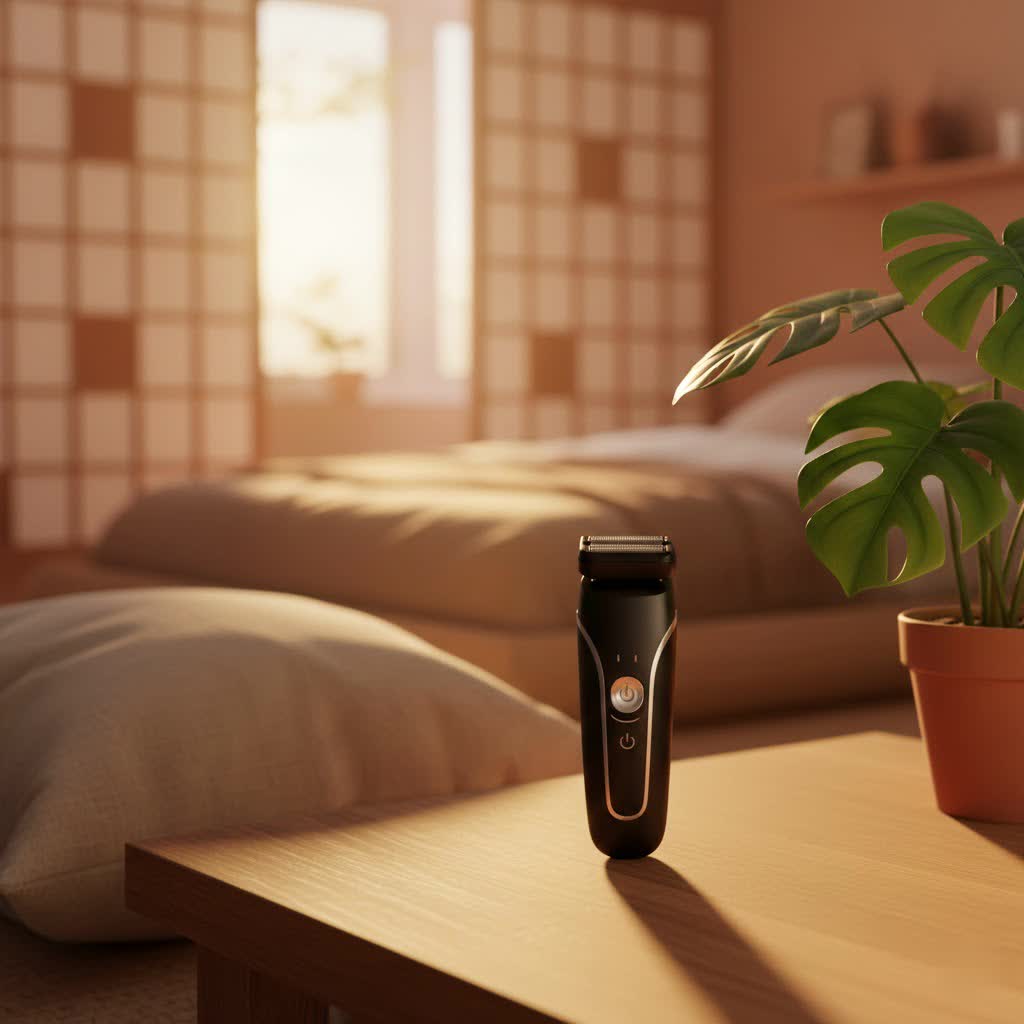
Electric Shavers: An Overview
Electric shavers have revolutionized personal grooming, offering a modern alternative to traditional razor blades. At their core, these devices utilize oscillating or rotating blades beneath a protective foil or set of rotary heads to cut hair without direct skin contact, minimizing nicks and irritation. Their evolution has brought forth sophisticated designs and technologies, making them a staple in many grooming routines.
Historically, the first electric shaver was patented in 1930 by Jacob Schick, marking the beginning of a new era in shaving. Since then, continuous innovation has led to more powerful motors, ergonomic designs, and advanced cutting systems. Today, the market is primarily dominated by two main types:
- Foil Shavers: These shavers feature a thin, perforated metal foil that covers oscillating blades. Hair enters through the holes in the foil and is cut by the blades moving rapidly back and forth beneath it. Foil shavers are excellent for straight, fine hair and often provide a very close shave on flat areas of the face.
- Rotary Shavers: Characterized by three (or sometimes two) rotating heads, each with spinning cutters underneath protective caps, rotary shavers excel at tackling longer, multi-directional hair growth. They are particularly effective on contoured areas like the neck and jawline.
While both types offer unique advantages, the principles of maintenance, especially cleaning, are universally critical for optimal performance and longevity, though specific methods may vary slightly.
Why a Clean Electric Shaver Matters: Benefits and Risks
Understanding the profound impact of cleanliness on your electric shaver extends beyond mere aesthetics. It’s a critical factor influencing everything from your skin’s health to your shaver’s durability. A properly maintained, clean electric shaver is not just a preference; it’s a necessity for an exceptional grooming experience.
Benefits of Regular Cleaning
|
Our Picks for the Best Electric Shaver in 2026
As an Amazon Associate I earn from qualifying purchases.
|
||
| Num | Product | Action |
|---|---|---|
| 1 | Philips Norelco Shaver i9000 Prestige Ultra, Wet & Dry Electric Shaver, Dark Slate, SenseIQ Pro Technology, Triple Lift & Cut System, 360 Rotating NanoTech Precision Blades, Quick Clean Pod, XP9402/86 |

|
| 2 | Electric Foil Shavers for Men:Upgraded Mini Electric Razor for Beard with 3 Floating Blades - Cordless Portable Travel Face Shaver USB-C Fast Rechargeable - IPX5 Waterproof(Black) |
|
| 3 | Braun Series 8 8560cc Electric Razor for Men, 4+1 Shaving Elements & Precision Long Hair Trimmer, 5in1 SmartCare Center, Close & Gentle Even on Dense Beards, Wet & Dry Electric Razor, 60min Runtime |
|
| 4 | Electric Razor for Men, Men's Electric Shaver, 3-Blade Rotary Shaving System, Touch Switch, Type-C Fast Charging, LED Display, Travel Lock, 90+ Minutes Run Time |
|
| 5 | Philips Norelco Shaver 2400 Series, Wet and Dry Electric Shaver, Pop-up Trimmer, P-Cap, Deep Black, Model X3001/90 |
|
| 6 | HENZILO Electric Foil Shaver for Men: Mini Electric Razor for Face/Beard - 3 Floating Blades Cordless Razor with LED Display - IPX7 Waterproof Wet Dry Shaving for Travel & Home, USB Type C |
|
| 7 | Braun Series 9 PRO+ Electric Shaver, Wet & Dry Razor, Pro SensoAdapt, 6in1 SmartCare Center, 9697CC, Silver |
|
| 8 | Philips Norelco Shaver 3900 Series, Wet and Dry Electric Shaver, P-Cap, Travel Pouch, Charging Stand, Storm Blue, Model S3341/92 |
|
| 9 | Norelco Philips OneBlade 360 Hybrid Face, Electric Beard Trimmer and Shaver, with 360 Blade Technology, 1x 360 Blade for Face, 5in1 Adjustable Comb, Model QP2724/90 |
|
| 10 | Panasonic ARC5 Electric Razor for Men with Pop-Up Trimmer, Wet/Dry 5-Blade Electric Shaver with Intelligent Shave Sensor and Multi-Flex Pivoting Head – ES-LV65-S (Silver) |
|
Regularly cleaning your electric shaver offers a multitude of advantages that enhance both your shave and the life of your device. Primarily, it extends your shaver’s lifespan, protecting the delicate blades and motor from premature wear caused by accumulated debris. A clean shaver consistently maintains optimal shaving performance, ensuring a close, smooth cut without irritating tugs or pulls. This also translates to superior hygiene, significantly reducing the risk of skin irritations such as razor burn, ingrown hairs, and even folliculitis, as it prevents bacterial growth. Furthermore, a clean shaver eliminates any unpleasant odors that can develop from trapped hair and moisture, ensuring a fresh start to every shave.
Risks of Neglecting Cleaning
Conversely, neglecting the regular cleaning of your electric shaver invites a host of issues that degrade your grooming experience. The most immediate is reduced shaving efficiency, where hair clippings and skin cells clog the blades, causing them to pull and tug rather than cut smoothly. This leads to a less effective shave and can be quite uncomfortable. More seriously, a dirty shaver becomes a breeding ground for bacterial buildup, which can manifest as skin irritation, redness, and breakouts on your freshly shaved skin. Over time, moisture combined with organic debris can lead to premature wear and tear, rust on metallic components, and ultimately, a significantly shorter lifespan for your expensive grooming tool.
Essential Tools and Solutions for Cleaning Your Electric Shaver
Keeping your electric shaver in top condition doesn’t require an arsenal of specialized gadgets. Many of the tools and solutions are readily available, some even coming packaged with your shaver. Knowing what to use and when is key to effective and safe cleaning.
Most electric shavers include a small cleaning brush designed to dislodge loose hairs and debris from the cutting elements. This simple tool is indispensable for daily maintenance. Beyond that, warm water and mild liquid soap (such as dishwashing liquid or Castile soap) form the backbone of cleaning for waterproof models, effectively washing away oils and stubborn residue. For those hard-to-reach areas or non-waterproof shavers, a can of compressed air can powerfully blow away trapped hairs without moisture.
For enhanced cleaning and maintenance, specialized cleaning sprays and lubricants are excellent choices. Products like Remington Shaver Saver or Braun Shaver Cleaner not only disinfect and clean but also lubricate the blades, reducing friction and extending their sharpness. If you prefer natural alternatives, a solution of white vinegar and baking soda can provide a deep clean, especially for soaking shaver heads. Additionally, rubbing alcohol (isopropyl alcohol) or hand sanitizer can be used for disinfection, though it’s crucial to check your shaver’s manual for compatibility to avoid damaging plastic components. Lastly, a few drops of lubricating oil (mineral oil or clipper oil) are vital after cleaning to keep the blades running smoothly and efficiently.
For ultimate convenience, some high-end electric shavers come with automatic cleaning stations, such as the Braun SmartCare Cleaning Center or Philips Quick Clean Pod. These systems clean, dry, and lubricate your shaver at the touch of a button, utilizing dedicated cleaning cartridges. While these cartridges are highly effective, alternative solutions can often be found or even concocted for refilling.
Step-by-Step Guide to Effectively Cleaning Your Electric Shaver
Maintaining a clean electric shaver is a straightforward process that can significantly enhance your shaving experience and prolong the life of your device. Whether you opt for a quick daily rinse or a more thorough weekly deep clean, adhering to a consistent routine is paramount.
Daily Quick Clean (After Each Use)
A quick clean after every shave is essential for preventing the build-up of hair and skin cells, ensuring your shaver is ready for its next use.
- Turn Off and Unplug: Always ensure your electric shaver is turned off and unplugged from any power source before you begin cleaning for safety.
- Remove Shaving Head/Foil: Gently detach the shaving head or foil assembly from the shaver body. Most models have a release button or a simple twist-and-pull mechanism.
- Tap Out Loose Hairs: Hold the removed head over a sink or wastebasket and lightly tap the plastic frame against a hard surface to dislodge the majority of loose hair clippings.
- Rinse Waterproof Shavers: If your shaver is waterproof (check your manual!), rinse the shaving head thoroughly under warm running water. For an extra clean, apply a few drops of mild liquid soap to the foils or rotary heads and briefly turn the shaver on for a few seconds to circulate the soapy water, then rinse again until all soap and debris are gone.
- Air Dry Thoroughly: Shake off any excess water and gently pat the components with a clean cloth. It is crucial to let all parts air dry completely before reassembling or storing to prevent rust, mold, or unpleasant odors. Do not attach the protective cap until everything is bone dry.
Weekly Deep Clean
For an even more meticulous clean that tackles stubborn grime and extends blade sharpness, a weekly deep clean is highly recommended.
- Disassemble Further: Beyond removing the main shaving head, carefully disassemble individual blades, cutters, and combs, following your manufacturer’s instructions. Keep matching parts together to ensure correct reassembly.
- Brush Away Stubborn Debris: Use your shaver’s cleaning brush (or an old, clean toothbrush) to meticulously brush away any remaining hair, skin particles, and residue from all accessible components, including the inner workings of the shaver body.
- Soak Parts: For a comprehensive clean, soak the disassembled foil head or cutting blocks in a solution. A mixture of warm water and mild detergent for 10-15 minutes works effectively. For a natural, degreasing option, immerse parts in a 1:1 mixture of warm water and white vinegar, adding a few tablespoons of baking soda for a fizzing action, and let soak for 20 minutes to an hour.
- Rinse Thoroughly: After soaking, rinse all parts under running warm water until they are completely free of cleaning solution and debris.
- Air Dry Completely: As with the quick clean, shake off excess water and allow all components to air dry fully on a clean towel or drying rack before reassembling.
- Lubricate Blades: Once dry, apply one or two drops of specialized lubricating oil or shaver spray to the blades. Turn the shaver on for a few seconds to distribute the lubricant evenly, which minimizes friction and maintains optimal cutting efficiency.
Cleaning Non-Waterproof Electric Shavers
Not all electric shavers are designed to be rinsed with water. For these models, water exposure can cause irreversible damage. It is critical to strictly adhere to dry cleaning methods.
For non-waterproof electric shavers, rely primarily on the included cleaning brush to sweep away hair clippings from the blades and foils. A can of compressed air can be highly effective in blowing out stubborn trapped hairs from crevices. Specialized cleaning sprays, designed for non-waterproof razors, can also be carefully applied to the blades to clean and disinfect without the need for water. Always ensure the shaver is unplugged and completely dry before performing any maintenance.
Leveraging Automatic Cleaning Stations
For those seeking the ultimate in convenience and hygiene, many premium electric shavers come equipped with automatic cleaning stations. These sophisticated units integrate cleaning, drying, and even lubricating into a single, effortless process.
Typically, you simply place your shaver in the station after use. The station then circulates a specialized cleaning solution (often alcohol-based) through the shaver heads, effectively removing hair, skin cells, and bacteria. Following the wash cycle, an integrated fan or heating element dries the shaver, and some systems also lubricate the blades. While incredibly efficient, these systems rely on proprietary cleaning cartridges which can be an ongoing expense. However, there are often third-party refill solutions or DIY mixtures (e.g., isopropyl alcohol and water) that can be used to replenish the cartridges, offering a cost-effective alternative.
When to Replace Your Electric Shaver Parts
Even with diligent cleaning and maintenance, electric shaver components are subject to wear and tear and will eventually need replacement to maintain peak performance. Knowing when to swap out parts is crucial for a consistent, comfortable shave.
Generally, manufacturers recommend replacing your shaver’s foil heads and cutter blocks every 12 to 18 months. For individuals with particularly coarse or thick hair, or those who shave very frequently, this interval might shorten to every 6 to 12 months. These parts, working in conjunction like tiny scissors, inevitably dull and wear down over time, reducing cutting efficiency.
Beyond scheduled replacements, several signs indicate that it’s time for new parts:
- Reduced Performance: If you notice your shaver is pulling or tugging at hairs, requires multiple passes for a clean shave, or no longer provides the close shave it once did, the blades are likely dull.
- Visible Damage: Inspect the foils for holes, dents, or cracks, and the rotary heads for any signs of damage or uneven wear. Damaged foils can cause skin irritation or cuts.
- Increased Irritation: If you experience more skin redness, bumps, or discomfort after shaving, worn blades or foils could be the culprit, dragging across your skin rather than gliding smoothly.
While regular cleaning cannot eliminate the need for eventual part replacement, it significantly extends the effective lifespan of these components. A clean electric shaver means less friction, less strain on the blades, and a more efficient cut, ultimately helping you get the most out of each shaving head before it needs to be replaced. Always refer to your shaver’s specific user manual for precise replacement guidelines tailored to your model.
Conclusion
Maintaining a clean electric shaver is undeniably fundamental to a superior grooming experience. From extending the lifespan of your cherished device to safeguarding your skin against irritation and bacterial buildup, the benefits of regular cleaning are profound. By consistently implementing the straightforward daily and weekly cleaning routines outlined—whether through simple rinsing with soap and water, meticulous brushing, or leveraging the convenience of an automatic cleaning station—you ensure your electric shaver operates at its peak. Remember to use the right tools, consider specialized cleaning solutions, and never underestimate the power of thorough drying and lubrication. Prioritizing the cleanliness of your electric shaver not only guarantees optimal performance and hygiene but also transforms your daily shave into a consistently smooth, comfortable, and efficient ritual. What’s your go-to electric shaver cleaning hack that keeps your shave game strong?
Frequently Asked Questions
How often should I clean my electric shaver?
For optimal hygiene and performance, it’s best to perform a quick clean after every use, especially for waterproof models that can be rinsed. A deeper, more thorough clean is recommended once or twice a week to remove stubborn debris and prolong the shaver’s lifespan.
Can I use alcohol to clean my electric shaver?
Yes, rubbing alcohol (isopropyl alcohol) can be an effective disinfectant for cleaning electric shaver blades. However, always check your shaver’s manual for compatibility, as alcohol can sometimes damage certain plastic components. For non-waterproof shavers, alcohol-based cleaning sprays are a good option.
What happens if I don’t clean my electric shaver?
Neglecting to clean your electric shaver can lead to several problems: reduced shaving efficiency (pulling, tugging), increased skin irritation (razor bumps, redness), bacterial growth, and premature wear and tear, including rust, which shortens the device’s lifespan.
How do I lubricate my electric shaver after cleaning?
After cleaning and ensuring all parts are completely dry, apply one or two drops of specialized lubricating oil (like mineral oil or clipper oil) directly onto the shaver blades. Turn the shaver on for a few seconds to allow the oil to spread evenly, ensuring smooth operation and reducing friction.
Are automatic cleaning stations worth it?
Automatic cleaning stations offer unparalleled convenience by cleaning, drying, and often lubricating your electric shaver at the touch of a button. While they can involve an ongoing cost for cleaning cartridges, many users find the ease of use and superior hygiene benefits to be well worth the investment, extending the shaver’s life and maintaining optimal performance.
