Navigating the world of electric shavers can feel overwhelming, especially with so many innovative options promising a superior shave. Have you ever wished for a shaving experience that combines the closeness and comfort of a wet shave with the speed and convenience of an electric shaver? The answer lies in the revolutionary wet dry electric shaver, a versatile grooming tool designed to adapt to your lifestyle, whether you prefer to shave in the shower or on the go. This comprehensive guide, crafted from over a decade of hands-on experience, will demystify these advanced devices, helping you choose the perfect wet dry electric shaver to meet your unique needs and achieve an effortlessly smooth shave every time.
Electric Shavers: An Overview
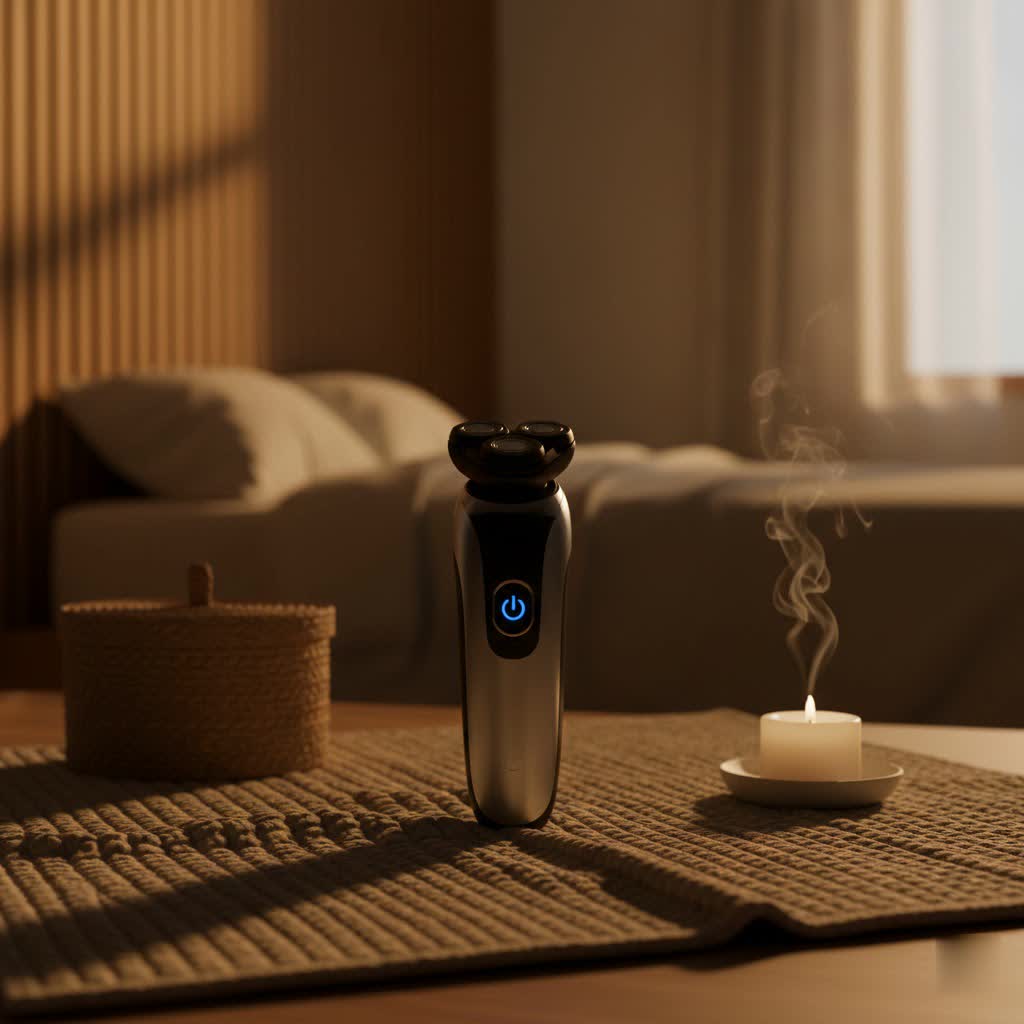
An electric shaver is a personal grooming device designed to remove hair from the face or body using rotating or oscillating blades housed beneath a protective foil or rotating heads. Its primary function is to offer a quick, convenient, and often less irritating alternative to traditional blade shaving. From their earliest iterations, electric shavers have evolved significantly, moving from bulky, corded devices to sleek, portable, and feature-rich models capable of delivering a remarkably close and comfortable shave.
The history of the electric shaver dates back to the early 20th century, with the first patent granted in 1928. Over the decades, continuous innovation has led to improvements in motor efficiency, blade technology, battery life, and overall user experience. Today, electric shavers are broadly categorized into two main types:
- Rotary Shavers: These shavers feature circular heads with spinning blades that lift and cut hairs. They are generally adept at handling longer, multi-directional hair growth and contouring to the curves of the face, making them a popular choice for those with coarser beards or who shave less frequently.
- Foil Shavers: These devices utilize oscillating blades positioned beneath a thin, perforated metal foil. Hair penetrates the holes in the foil and is then cut by the blades. Foil shavers are known for providing a very close shave, often preferred by individuals with sensitive skin or finer hair, as they tend to cause less irritation.
Advantages and Disadvantages of Wet Dry Electric Shavers
Wet dry electric shavers represent the pinnacle of electric shaving technology, offering the best of both worlds. However, like any grooming tool, they come with their own set of pros and cons. Understanding these can help you decide if a wet dry model is the right fit for your routine.
Advantages
Wet dry electric shavers offer a significant upgrade in shaving flexibility and comfort, making them a compelling choice for many users.
- Convenience and Speed: One of the most significant benefits is the sheer convenience. You can achieve a quick, dry shave when time is short, or opt for a more luxurious wet shave with foam or gel for added comfort. This adaptability saves time and fits seamlessly into any busy schedule.
- Reduced Skin Irritation: Shaving with water, foam, or gel creates a lubricating layer that helps the shaver glide more smoothly over the skin. This significantly minimizes friction, pulling, and tugging, leading to substantially less irritation, redness, and razor burn, especially beneficial for individuals with sensitive skin.
- Enhanced Comfort and Closeness: The ability to shave wet enhances the comfort of the experience, often allowing for a closer shave. The hair becomes softer when wet, making it easier for the blades to cut, while the lubrication prevents direct blade-to-skin contact, reducing discomfort.
- Easy Cleaning and Maintenance: Most wet dry shavers are fully waterproof, meaning they can be rinsed clean under running water. This makes post-shave cleanup incredibly simple and hygienic, preventing the buildup of hair and product residue that can dull blades and harbor bacteria.
- Versatility: Beyond just dry or wet shaving, many models are suitable for use in the shower, integrating shaving into your daily cleansing routine. This can be a time-saver and provide a refreshing experience.
|
Our Picks for the Best Electric Shaver in 2026
As an Amazon Associate I earn from qualifying purchases.
|
||
| Num | Product | Action |
|---|---|---|
| 1 | Philips Norelco Shaver i9000 Prestige Ultra, Wet & Dry Electric Shaver, Dark Slate, SenseIQ Pro Technology, Triple Lift & Cut System, 360 Rotating NanoTech Precision Blades, Quick Clean Pod, XP9402/86 |

|
| 2 | Electric Foil Shavers for Men:Upgraded Mini Electric Razor for Beard with 3 Floating Blades - Cordless Portable Travel Face Shaver USB-C Fast Rechargeable - IPX5 Waterproof(Black) |
|
| 3 | Panasonic ARC5 Electric Razor for Men with Pop-Up Trimmer, Wet/Dry 5-Blade Electric Shaver with Intelligent Shave Sensor and Multi-Flex Pivoting Head – ES-LV65-S (Silver) |
|
| 4 | Braun Series 9 PRO+ Electric Shaver, Wet & Dry Razor, Pro SensoAdapt, 6in1 SmartCare Center, 9697CC, Silver |
|
| 5 | Philips Norelco Shaver 2400 Series, Wet and Dry Electric Shaver, Pop-up Trimmer, P-Cap, Deep Black, Model X3001/90 |
|
| 6 | Philips Norelco Shaver 3900 Series, Wet and Dry Electric Shaver, P-Cap, Travel Pouch, Charging Stand, Storm Blue, Model S3341/92 |
|
| 7 | Norelco Philips OneBlade 360 Hybrid Face, Electric Beard Trimmer and Shaver, with 360 Blade Technology, 1x 360 Blade for Face, 5in1 Adjustable Comb, Model QP2724/90 |
|
| 8 | Braun Series 8 8560cc Electric Razor for Men, 4+1 Shaving Elements & Precision Long Hair Trimmer, 5in1 SmartCare Center, Close & Gentle Even on Dense Beards, Wet & Dry Electric Razor, 60min Runtime |
|
| 9 | HENZILO Electric Foil Shaver for Men: Mini Electric Razor for Face/Beard - 3 Floating Blades Cordless Razor with LED Display - IPX7 Waterproof Wet Dry Shaving for Travel & Home, USB Type C |
|
| 10 | Electric Razor for Men, Men's Electric Shaver, 3-Blade Rotary Shaving System, Touch Switch, Type-C Fast Charging, LED Display, Travel Lock, 90+ Minutes Run Time |
|
Disadvantages
While highly beneficial, wet dry electric shavers do have a few drawbacks that potential buyers should consider.
- Higher Initial Cost: Due to their advanced waterproofing and often superior motor and blade technology, wet dry electric shavers typically have a higher upfront price tag compared to basic dry-only electric shavers or traditional disposable razors.
- Potentially Less Close Than a Traditional Blade: While a wet dry electric shaver provides an excellent close shave, some users, particularly those accustomed to a multi-blade cartridge razor, might find it doesn’t quite match the “baby smooth” feel of a fresh blade shave against the grain. However, the trade-off is often significantly less irritation.
- Reliance on Power/Battery: As electric devices, these shavers require charging. While modern batteries offer long runtimes, forgetting to charge can leave you with an unfinished shave. They are also not suitable for use without a power source, unlike manual razors.
- Replacement Parts: The cutting heads and foils or rotary blades on electric shavers need to be replaced periodically (typically every 12-18 months) to maintain optimal performance. This adds to the long-term cost of ownership.
Comparing Electric Shaver Types
Understanding the nuances between different types of electric shavers is crucial for making an informed decision. While wet dry capability is a feature, the core cutting mechanism (rotary vs. foil) also plays a significant role in your shaving experience.
| Feature | Rotary Wet Dry Electric Shaver | Foil Wet Dry Electric Shaver | Traditional Blade Razor (for comparison) |
|---|---|---|---|
| Shaving Action | Circular heads with spinning blades lift and cut hair. | Oscillating blades under a perforated foil cut hair. | Sharp blades cut hair directly at the skin’s surface. |
| Hair Type Best For | Coarse, dense, or multi-directional growth; longer stubble. | Fine to medium hair; shorter stubble; sensitive skin. | All hair types, especially for the closest possible shave. |
| Closeness of Shave | Very good, contours well to face. | Excellent, often slightly closer than rotary for some users. | Unmatched closeness, “baby smooth” finish. |
| Skin Irritation | Generally low, especially with wet shave. | Very low, excellent for sensitive skin with wet shave. | Can be high if technique is poor, prone to nicks/cuts. |
| Comfort | Smooth gliding, good for curves. | Gentle, linear strokes, very comfortable with wet shave. | Varies; can be comfortable with good technique and lubrication. |
| Noise Level | Typically quieter, a softer hum. | Often louder, a distinct buzzing sound. | Silent. |
| Maintenance | Easy to clean under water; heads need periodic replacement. | Easy to clean under water; foil/cassette needs periodic replacement. | Rinse blades; dispose of cartridges. |
| Price Range | Mid-to-high, depending on features. | Mid-to-high, depending on features. | Low for disposables, moderate for cartridges/safety razors. |
| Versatility (Wet/Dry) | Excellent, designed for both dry and wet use. | Excellent, designed for both dry and wet use. | Primarily wet use with cream/gel. |
| Best For | Those who shave less frequently, have tough beards, or prefer circular motions. | Daily shavers, sensitive skin, those who prefer linear strokes. | The closest shave, but requires more time and caution. |
How to Choose the Right Wet Dry Electric Shaver
Selecting the ideal wet dry electric shaver involves more than just picking a popular brand. It’s about aligning the shaver’s features with your personal grooming habits, skin type, and budget.
Determine Your Personal Needs
Before diving into specifications, consider your shaving routine and preferences:
- Skin Type: Do you have sensitive skin prone to irritation? A foil shaver with a flexible head and advanced comfort features might be best.
- Hair Type and Density: Is your beard coarse, fine, or does it grow in multiple directions? Rotary shavers excel with challenging growth, while foil shavers are great for everyday, shorter stubble.
- Shaving Frequency: Do you shave daily, or every few days? This influences the type of head and motor power you might need.
- Wet or Dry Preference: While you’re looking for wet dry, consider how often you’ll use each mode. If mostly wet, features for lathering will be important.
- Portability: Do you travel frequently? Consider battery life, a travel lock, and a compact design.
Choose the Right Shaver Type (Rotary vs. Foil)
As discussed, both types offer wet dry capabilities, but their fundamental cutting actions differ:
- Rotary Shavers: Ideal for men who don’t shave daily, have thicker or longer stubble, or facial contours that are harder to navigate. Their independent floating heads conform well to the jawline and neck.
- Foil Shavers: Excellent for daily shavers, those with sensitive skin, or individuals who prefer a very close shave and shave with linear strokes. Their oscillating blades are gentle and minimize irritation.
Consider Additional Features
Modern wet dry electric shavers come packed with innovative features that can enhance your shaving experience:
- Waterproof Rating: Ensure it’s truly 100% waterproof for safe shower use and easy cleaning.
- Battery Life and Charging: Look for long-lasting lithium-ion batteries and fast-charging capabilities. Some even offer a quick 5-minute charge for one shave.
- Self-Cleaning Stations: High-end models often include a cleaning station that automatically cleans, lubricates, dries, and charges the shaver. While convenient, these add to the cost and footprint.
- Flexible Heads and Contouring: Heads that pivot, flex, or have independent cutting elements adapt better to facial curves, ensuring consistent skin contact and a more efficient shave.
- Pop-up Trimmer: Essential for precise grooming of sideburns, mustaches, and beards.
- Wet & Dry Capability: (Already a given for this topic) but confirm it’s designed for use with foam/gel and in the shower.
- Ergonomics: A comfortable grip and balanced design are crucial for ease of use during longer shaving sessions.
Brand and Price
Investing in a reputable brand usually guarantees better quality, durability, and customer support. Leading brands in wet dry electric shavers include Philips Norelco (rotary), Braun (foil), and Panasonic (foil).
- Entry-Level (Under $100): Good for basic wet dry shaving, might lack advanced features or premium build quality.
- Mid-Range ($100 – $250): Offers a good balance of features, performance, and build quality. Often includes better battery life and more flexible heads.
- High-End ($250+): Top-tier models with the latest technology, advanced motor systems, self-cleaning stations, and superior materials for the ultimate shaving experience.
> “Choosing the right wet dry shaver is about finding synergy between your skin’s needs and the shaver’s capabilities. Don’t compromise on comfort for the sake of a few dollars; your skin will thank you.” – Dr. Emily R. Shah, Dermatologist specializing in Men’s Grooming.
Top Wet Dry Electric Shavers Highly Rated Today
The market for wet dry electric shavers is competitive, with manufacturers constantly innovating. Here are a few top-rated models that consistently receive high praise for their performance and features. Please note that prices are approximate and can vary.
-
Philips Norelco Shaver 9000 Series (e.g., S9000 Prestige)
- Type: Rotary
- Pros: Exceptionally close shave for a rotary, excellent contouring thanks to V-Track Precision PRO blades and 8-direction flexing heads, very comfortable for sensitive skin, great for longer stubble, premium build, long battery life, some models include a Qi charging pad.
- Cons: Higher price point, replacement heads can be expensive.
- Approx. Price: $250 – $400+
-
Braun Series 9 Pro (e.g., 9477cc)
- Type: Foil
- Pros: Arguably the closest shave from an electric shaver, highly efficient even on a 7-day beard, SynchroSonic technology with 10,000 micro-vibrations for maximum power, excellent for sensitive skin, often comes with a fantastic Clean & Charge station, outstanding build quality.
- Cons: Very expensive, replacement cartridges for cleaning station add to ongoing cost, bulkier design.
- Approx. Price: $300 – $500+
-
Panasonic Arc5 (e.g., ES-LV67-K)
- Type: Foil
- Pros: Features five ultra-sharp, precision-honed Nanotech blades for an incredibly close shave, powerful linear motor maintains peak performance until the battery dies, flexible pivoting head follows contours well, excellent value for performance, very good for sensitive skin.
- Cons: Can be a bit noisy, some find it less ergonomic than Braun or Philips, cleaning station usually sold separately or with higher-end models.
- Approx. Price: $150 – $250
-
Philips Norelco Shaver 3000 Series (e.g., S3134/84)
- Type: Rotary
- Pros: Excellent entry-level option for wet dry shaving, comfortable shave, good battery life, pop-up trimmer included, very affordable.
- Cons: Not as close or powerful as premium models, less flexible heads.
- Approx. Price: $60 – $90
How to Use and Maintain Your Wet Dry Electric Shaver
Proper usage and consistent maintenance are key to achieving the best shave and extending the life of your wet dry electric shaver.
Correct Usage for Optimal Results
Whether you choose to shave wet or dry, following a few simple steps can dramatically improve your experience:
- Preparation is Key:
- Dry Shaving: Ensure your face is clean and dry. Shave before washing your face to allow natural oils to provide some lubrication.
- Wet Shaving: Wash your face with warm water and apply a shaving cream, gel, or foam. This softens the hair and creates a protective barrier for a smoother glide.
- Technique Matters:
- Rotary Shavers: Use gentle, circular motions over your face, moving against the grain of your hair growth. Apply light pressure, letting the shaver do the work.
- Foil Shavers: Use straight, linear strokes, moving back and forth against the direction of your hair growth. Keep the foil flat against your skin.
- Stretch Your Skin: Gently pull your skin taut, especially around the neck and jawline, to help the shaver capture hairs more effectively.
- Short Strokes: Use short, controlled strokes rather than long, sweeping motions. Re-shave tricky areas from different angles.
- Be Patient: Don’t press too hard, as this can cause irritation and heat buildup. Take your time, especially when you’re first adjusting to electric shaving.
- After-Shave Care: Rinse your face with cool water to close pores. Apply a soothing aftershave balm or moisturizer to hydrate and calm your skin.
Cleaning and Maintenance for Longevity
Regular cleaning and proper care will ensure your shaver performs optimally and lasts for years.
- Daily Rinse: After each shave (especially wet shaves), detach the shaver head and rinse it thoroughly under warm running water to remove hair clippings and product residue.
- Deep Cleaning: Periodically, perform a more thorough cleaning. For most models, this involves detaching the cutting elements and brushing away any stubborn hairs with the provided brush. Some premium models have self-cleaning stations that handle this automatically.
- Lubrication: Apply a drop of shaver oil to the cutting blades every few weeks, or as recommended by the manufacturer. This keeps the blades running smoothly and prevents friction.
- Replacement Parts: Replace the cutting heads and/or foils/blades regularly, typically every 12 to 18 months. Worn-out parts can pull hair, cause irritation, and reduce shaving efficiency.
- Battery Care: For optimal battery life, fully discharge the shaver occasionally before recharging. Avoid leaving it constantly plugged in if possible. Store it in a cool, dry place.
Common Problems and Troubleshooting
- Shaver Pulling Hair: This usually indicates dull blades or clogged cutting elements. Clean the shaver thoroughly or replace the heads.
- Reduced Shaving Performance: Similar to pulling, this often points to worn blades/foils or a low battery.
- Skin Irritation: Ensure you’re not pressing too hard. Try shaving wet with foam/gel. Check if your blades need replacing. Give your skin time to adjust if you’re new to electric shaving.
- Battery Not Holding Charge: If the battery life has significantly decreased, it might be reaching the end of its lifespan. Consider professional battery replacement if available, or a new shaver.
Conclusion
The wet dry electric shaver has truly revolutionized personal grooming, offering an unparalleled blend of convenience, comfort, and versatility. By allowing you the freedom to choose between a quick dry shave and a refreshing wet experience, these devices cater to every preference and lifestyle, making irritation a thing of the past for many. Whether you opt for the contour-hugging precision of a rotary or the ultra-close glide of a foil, investing in a high-quality wet dry model means investing in your skin’s health and your daily comfort. With the right selection and diligent maintenance, your wet dry electric shaver will be an indispensable tool, transforming your morning routine into an enjoyable ritual. So, are you ready to elevate your shave and experience the ultimate in grooming flexibility?
Frequently Asked Questions
Can I use my wet dry electric shaver in the shower?
Yes, most wet dry electric shavers are designed to be fully waterproof and can be safely used in the shower, allowing you to incorporate shaving into your daily cleansing routine for added convenience.
How often should I replace the blades or foils on my wet dry electric shaver?
Manufacturers typically recommend replacing the cutting heads (blades and/or foils) every 12 to 18 months to maintain optimal shaving performance and prevent irritation. This can vary based on usage and beard thickness.
Is a wet shave with an electric shaver better than a dry shave?
A wet shave with an electric shaver often provides a more comfortable experience with less irritation, especially for sensitive skin, because the water and shaving product help lubricate the skin and soften the hair. While a dry shave is quicker, a wet shave can feel smoother.
What’s the difference between a wet dry electric shaver and a regular electric shaver?
A regular electric shaver is typically designed for dry use only, without water, foam, or gel. A wet dry electric shaver, however, is fully waterproof and specifically engineered to be used both on dry skin and with water, foam, or gel, and often in the shower.
